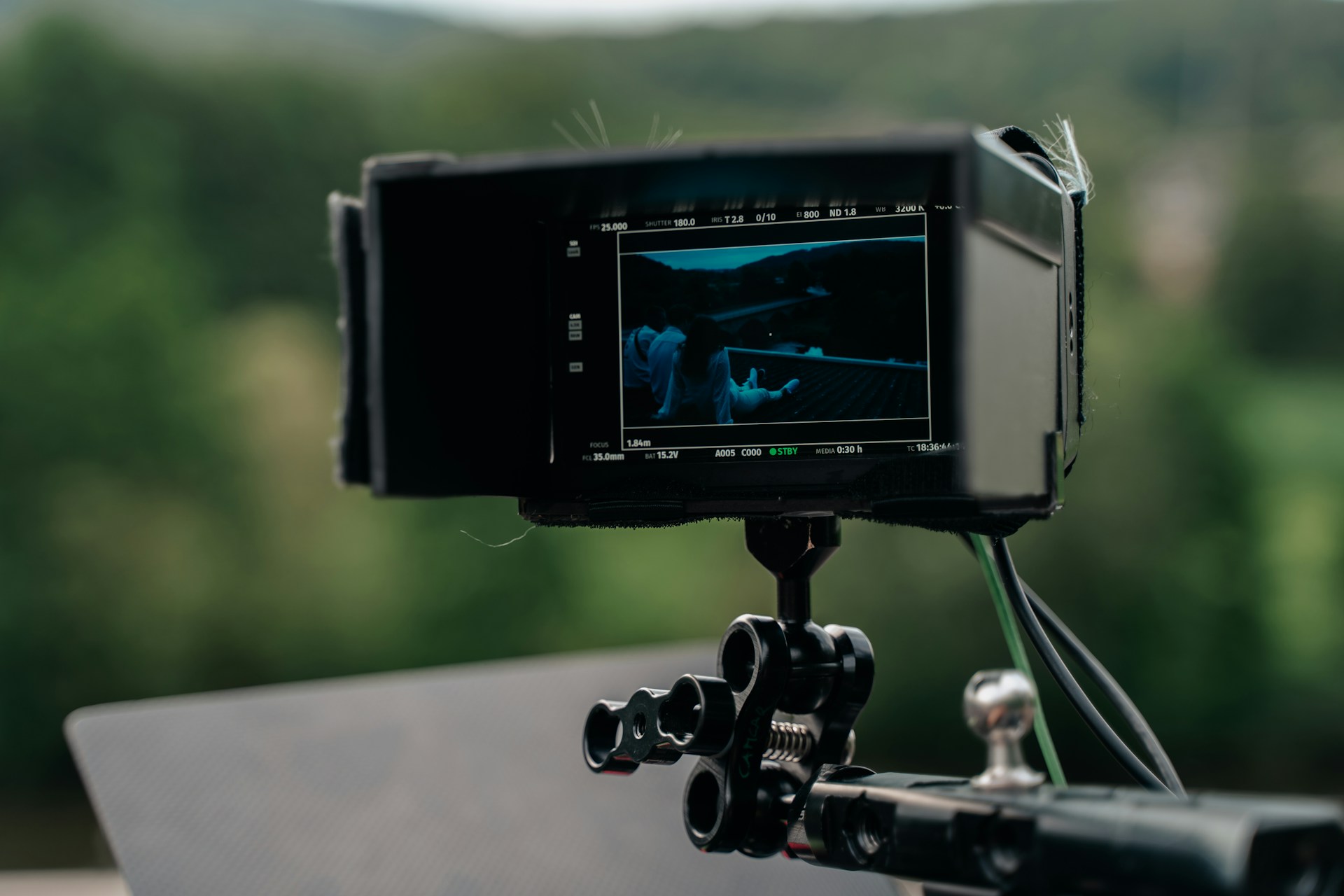
Creating videos that have a cinematic quality can make your content stand out and captivate your audience. Whether you’re a budding filmmaker or a seasoned professional, enhancing the cinematic appeal of your videos can elevate your storytelling and visual impact. Here are five ways to make your videos more cinematic:
1. Master the Art of Composition
Composition is the foundation of any visually compelling video. Adopting techniques like the Rule of Thirds, leading lines, and framing can significantly improve the aesthetic appeal of your shots.
- Rule of Thirds: Divide your frame into a 3×3 grid and place key elements along the grid lines or at their intersections. This creates balance and draws the viewer’s eye to important parts of the scene.
- Leading Lines: Use natural lines in your environment to guide the viewer’s eyes toward the focal point of the shot.
- Framing: Utilize natural frames within your shot, such as windows, doorways, or foliage, to focus attention on your subject.
2. Lighting is Everything
Lighting can make or break the cinematic feel of your video. Natural light is often the best choice, but you can also use artificial lighting to create mood and depth.
- Three-Point Lighting: This classic setup includes a key light, fill light, and backlight to create depth and dimension.
- Natural Light: Golden hour (shortly after sunrise or before sunset) provides soft, warm lighting that enhances skin tones and creates beautiful shadows.
- Practical Lighting: Use existing light sources within the scene, like lamps or candles, to add realism and atmosphere.
3. Use Shallow Depth of Field
Shallow depth of field helps to isolate your subject from the background, creating a professional, cinematic look. This technique draws attention to the main subject and adds a layer of depth to your shots.
- Aperture: Use a wide aperture (low f-stop number) to achieve a shallow depth of field. This will blur the background while keeping your subject in sharp focus.
- Lenses: Prime lenses with a low f-stop (like f/1.8 or f/1.4) are ideal for achieving a shallow depth of field.
4. Movement and Stabilization
Camera movement can add dynamism to your videos, but it must be smooth and intentional. Jarring or shaky footage can distract the viewer and diminish the cinematic quality.
- Gimbals and Stabilizers: Use these tools to achieve smooth, professional-looking movement.
- Dolly Shots: Moving the camera along a track can create fluid, cinematic motion.
- Handheld Shots: When done correctly, handheld shots can add an organic feel. Just be sure to minimize shake and keep movements deliberate.
5. Color Grading
Color grading is the process of altering and enhancing the color of your footage to achieve a specific look or mood. This step is crucial in giving your video a polished, cinematic feel.
- Color Correction: First, adjust your footage to achieve natural, balanced colors.
- Creative Grading: Apply color grading to establish the desired tone and mood. Tools like LUTs (Look-Up Tables) can help achieve consistent, professional results.
Enhance Your Cinematic Mastery
By mastering composition, lighting, depth of field, camera movement, and color grading, you can significantly enhance the cinematic quality of your videos. These techniques will not only make your content more visually appealing but also help convey your story more effectively.